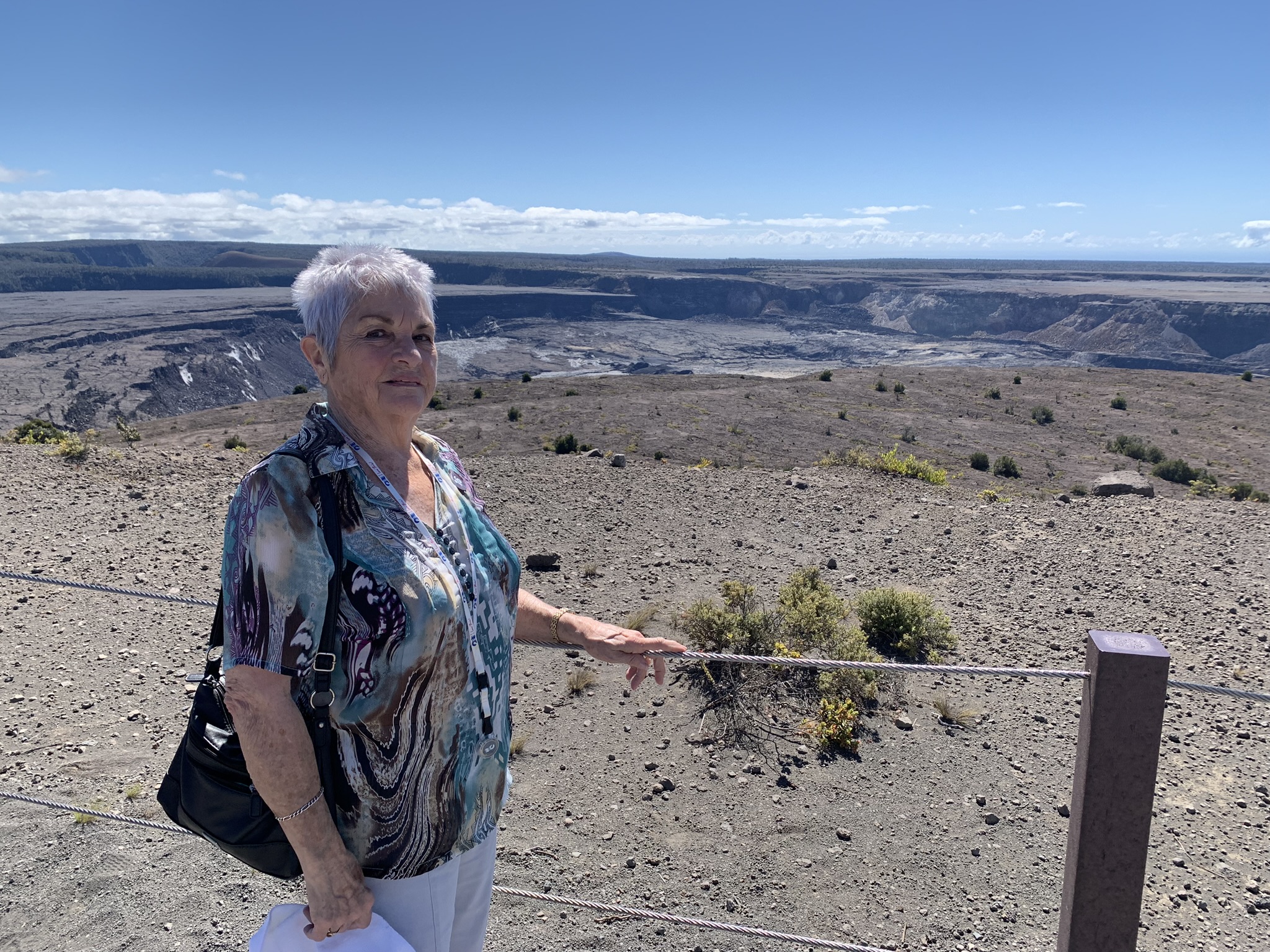
Saturday, October 7, 2023
Friday, October 6, 2023
KAHULUI, MAUI ISLAND
Thursday, October 5, 2023
LAHAINA, MAUI ISLAND
Ancient
Hawaiian Settlements: Before the arrival of European explorers,
Lahaina was home to ancient Hawaiian settlements. The area was favored for its
fertile land and access to the ocean, which provided resources for sustenance
and trade.
Arrival
of Europeans: In the late 18th century, European explorers,
traders, and missionaries began arriving in Hawaii. The first contact between
Hawaiians and Europeans in Lahaina occurred in the 1790s when ships from
various countries, including Britain and the United States, began to visit the
area.
Whaling
Era: One of the most significant periods in Lahaina's history
was the whaling era, which spanned from the early 19th century to the
mid-1800s. Lahaina Harbor became a busy whaling port, attracting sailors,
merchants, and other visitors from around the world. Whaling ships would stop
in Lahaina to restock supplies, repair ships, and provide rest for the crews.
Missionary
Influence: Christian missionaries, primarily from New England,
arrived in Lahaina in the early 19th century with the intention of spreading
Christianity and Western education. The missionaries established schools,
introduced the written Hawaiian language, and built structures that still stand
today, such as the Lahaina Jodo Mission and the Waineʻe Church.
Hawaiian
Royalty and Lahaina: Lahaina served as the capital of the
Hawaiian Kingdom from 1820 to 1845, during the reign of King Kamehameha III. It
was a center of political and economic activity during this time.
Whaling
Decline and Transition: By the mid-1800s, the whaling industry
began to decline due to factors like overhunting and the discovery of
alternative sources of oil. Lahaina's importance as a whaling port diminished,
and the town gradually shifted towards a focus on agriculture, particularly
sugar cane cultivation.
Sugar
Plantations and Tourism: In the late 19th and early 20th
centuries, the sugar industry took over as the dominant economic force in
Lahaina and throughout Maui. Sugar plantations brought in a diverse workforce,
including immigrants from Asia and other parts of the world.
Modern Era and Tourism: In the mid-20th century, the sugar industry began to decline, and Lahaina started to shift its economic focus toward tourism. The town's historic significance, combined with its beautiful oceanfront location, attracted tourists looking for a glimpse of Hawaii's past and its natural beauty.
Wednesday, October 4, 2023
NAWILIWILI , KAUAI ISLAND
Nawiliwili is a port and area
located on the island of Kauai in the state of Hawaii, United States. It has a
significant history tied to the indigenous Hawaiian culture and the development
of the island.
Hawaiian
Settlement: Before European contact, the Hawaiian islands were
inhabited by Polynesian settlers who established their communities across the
islands. Kauai, where Nawiliwili is situated, was no exception. The area around
Nawiliwili likely had Hawaiian settlements and agricultural activities.
Contact
with Europeans: The late 18th century saw the arrival of
European explorers, primarily led by British Captain James Cook. Cook's visit
to the Hawaiian Islands in 1778 marked the beginning of increased contact with
the outside world. Subsequent European and American visitors and traders
arrived, leading to changes in Hawaiian society, culture, and economy.
Western
Influence and Economy: As Western influence grew, so did the
demand for Hawaiian goods such as sandalwood and sugarcane. The Nawiliwili area
became significant as a trading post and a port for ships engaged in the
sandalwood trade. This led to a shift in the local economy, with increased
interaction between Hawaiians and foreigners.
Missionary
and Missionary Influence: In the early 19th century, Christian
missionaries arrived in Hawaii, aiming to spread their faith and establish
schools and churches. The Nawiliwili area likely saw the influence of these
missionaries in terms of cultural and religious changes.
Sugarcane
Plantations: The mid-19th century marked a significant period
of change in Hawaii's economy, as sugarcane cultivation and production became a
major industry. Sugar plantations were established across the islands,
including Kauai. While the Nawiliwili area wasn't as prominent for sugarcane as
other parts of Kauai, it likely experienced some influence from this industry.
Modern
Development and Tourism: In the 20th century, Hawaii's economy
transitioned from agriculture to tourism. The natural beauty and tropical
climate of Kauai attracted visitors from around the world. Nawiliwili, being a
port, played a role in facilitating tourism by serving as a point of entry for
cruise ships and visitors.
Nawiliwili
Harbor: The harbour in Nawiliwili has been developed over the
years to accommodate both commercial and recreational vessels. It serves as a
hub for cargo shipping, cruise tourism, and other maritime activities.
Contemporary
Significance: Today, Nawiliwili continues to be a gateway for
tourists arriving by sea, with cruise ships often docking at the harbor. The
area is also home to Lihue Airport, the main airport on Kauai, further
emphasizing its role in transportation and tourism.
While Nawiliwili may not have a history as well-documented as some other places, it has undoubtedly played a part in the broader history of Kauai and Hawaii, especially in terms of its role in trade, transportation, and the changing economic landscape over the centuries.
The first thing to say about the Hawaiians on this island is that they must be great golfers. That’s the golf club at the top and the ninth green by the water’s edge and the lighthouse as we enter Nawiliwili Harbour.
Tuesday, October 3, 2023
HONOLULU, OAHU
History of O'ahu and Honolulu
O'ahu, the third-largest Hawaiian island, is rich
and diverse, shaped by both indigenous Hawaiian culture and the influences of
outside cultures, particularly European and American influences.
- Ancient Hawaiian
Settlements (Before 18th Century): O'ahu
was likely settled by Polynesian voyagers around 1,500 years ago. The
island's fertile valleys and abundant natural resources supported a thriving
indigenous Hawaiian population. The island was divided into several
chiefdoms, each ruled by a local chief or ali'i.
- Unification of the Hawaiian
Islands (Late 18th Century - Early 19th Century): In the late 18th century, the island of
Hawai'i's chief, Kamehameha I, embarked on a series of campaigns to unify
the Hawaiian Islands under his rule. O'ahu was conquered in 1795 after the
Battle of Nu'uanu, and Kamehameha established O'ahu as his political
center.
- Contact with Europeans
(Late 18th Century): European explorers,
including Captain James Cook, arrived in the Hawaiian Islands in the late
18th century. Their contact with the native population led to the
introduction of new diseases and changes in the Hawaiian way of life.
- Missionary Influence and Cultural
Transformation (Early 19th Century): In
the early 19th century, American Christian missionaries arrived in
Hawai'i, bringing with them new cultural, religious, and economic
influences. The introduction of Christianity and Western practices
significantly altered traditional Hawaiian society.
- Era of Hawaiian Monarchy
(19th Century): O'ahu remained an
important political and economic centre during the reign of the Hawaiian
monarchy. The capital city of Honolulu, located on O'ahu, became the hub
of commerce and government. King Kamehameha III moved the capital from
Maui to O'ahu in 1845.
- Overthrow of the Hawaiian
Kingdom (Late 19th Century): In
1893, American and European business interests, along with some members of
the Hawaiian elite, orchestrated the overthrow of Queen Lili'uokalani's
monarchy. This eventually led to the annexation of Hawai'i by the United
States in 1898.
- American Influence and
World War II (20th Century): O'ahu
gained military importance during World War II due to its strategic
location in the Pacific. The attack on Pearl Harbor on December 7, 1941,
brought the United States into World War II and had a profound impact on the
island and its people.
- Statehood and Modern O'ahu
(20th Century - Present):
Hawai'i became the 50th state of the United States in 1959. O'ahu
continued to experience rapid urbanization and economic development, with
Honolulu evolving into a major Pacific hub for tourism, business, and
military activities.
Today,
O'ahu is a vibrant blend of cultures and traditions, with a strong indigenous
Hawaiian presence alongside a diverse population representing various
ethnicities and backgrounds. Its historical significance, natural beauty, and
cultural attractions make it a popular destination for both tourists and
residents.
Monday, October 2, 2023
HAWAIIAN ISLANDS
The Hawaiian Islands
are a group of volcanic islands located in the Pacific Ocean, specifically in
the central part of the Pacific. The main Hawaiian Islands are comprised of
eight major islands and numerous smaller islets and atolls. From northwest to
southeast, the main Hawaiian Islands are:
1. Niʻihau: Known as the "Forbidden Island,"
Niʻihau is privately owned and has limited access to the public.
2. Kauaʻi: Known as the "Garden Isle," Kauaʻi
is known for its lush landscapes and natural beauty, including the stunning
Waimea Canyon.
3. Oʻahu: The most populous island and home to the state
capital, Honolulu. Oʻahu is famous for Waikiki Beach, Pearl Harbor, and the
iconic Diamond Head crater.
4. Molokaʻi: Known for its rural and relaxed atmosphere,
Molokaʻi is home to the highest sea cliffs in the world and the Kalaupapa
National Historical Park.
5. Lānaʻi: Once known for its pineapple plantations,
Lānaʻi is now a luxury resort destination with beautiful beaches and rugged
landscapes.
6. Maui: Often called the "Valley Isle," Maui
offers diverse landscapes, including the lush Iao Valley and the famous Road to
Hana.
7. Kahoʻolawe: Historically used for target practice by
the military, Kahoʻolawe is now undergoing restoration efforts to recover its
native ecosystem.
8. Hawaiʻi (Big Island): The largest of the Hawaiian Islands, often referred to as the "Big Island," it is home to active volcanoes like Kīlauea and Mauna Loa. It offers a wide range of climates and landscapes, including tropical rainforests, deserts, and snow-capped mountains (Mauna Kea).
Additionally, there are several smaller islets and atolls, such as Molokini, Lehua, and the Northwestern
Hawaiian Islands (Papahānaumokuākea Marine National Monument), which are located northwest of the main Hawaiian Islands. Each island has its own unique character, culture, and attractions, making the Hawaiian Islands a diverse and popular tourist destination.
Sunday, October 1, 2023
POLLYWOGS & SHELLBACKS
SYDNEY, AUSTRALIA Key Features of Sydney: Sydney Opera House: One of the most recognizable landmarks in the world, the Sydney Opera Hou...
-
THE VOICE We were not able to register for a postal vote on the Voice because our departure date was earlier than the first scheduled time f...
-
MANY FACES Five days continuous cruising the high seas. Ever-changing landscape. No life but the beating heart of this mighty ocean. Calm an...
-
JUST CRUSIN’ Our last cruise was in August 2019 from Shanghai to Brisbane on the Majestic Princess . After a hectic two week land tour fr...